
Quakers and Shakers: Clearing Up the Confusion
With the release of The Testament of Ann Lee in UK cinemas, many people are encountering the story of the “Shaking Quakers” for the first time. But how are Shakers connected to Quakers? And what’s the difference between the two?
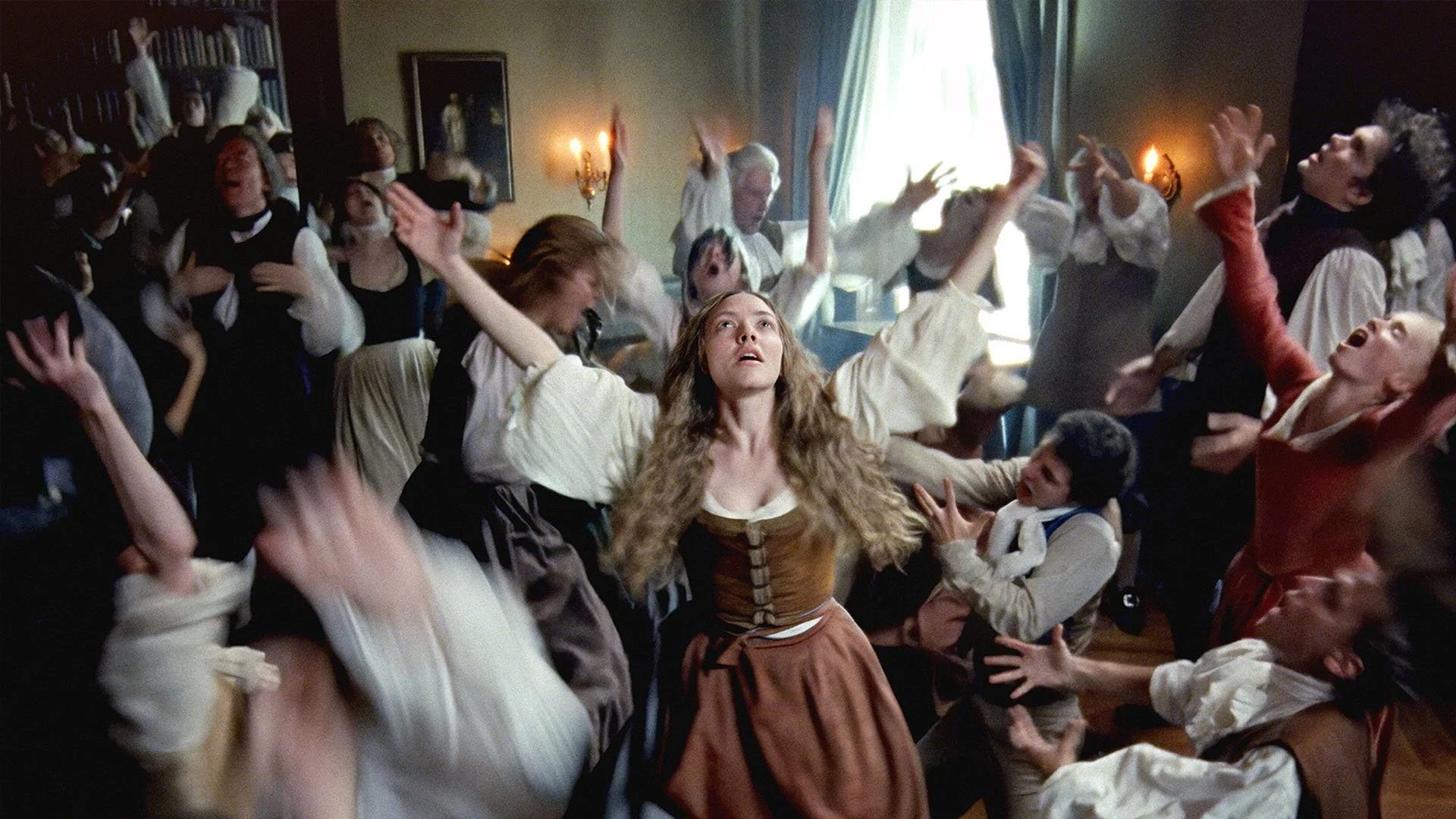
The film stars Amanda Seyfried as Ann Lee, a millworker from Manchester who brought the Shaker movement from England to America. Although the origin of Shakerism is connected to Quakers, it grew into a distinct and very different religious group to modern Quakerism.
The Shakers emerged in eighteenth-century north-west England from the Wardley Society, founded by James and Jane Wardley. They had separated from the Quakers in 1747, at a time when Friends were moving away from more ecstatic forms of spiritual expression. Ann Lee became convinced that she embodied Christ’s second coming in female form, and in 1774 she and a small band of followers sailed to America in search of religious freedom. There, they established a network of intentional communities formally known as the United Society of Believers in Christ’s Second Appearing. Because their worship involved energetic singing, trembling, and dancing, they were nicknamed “Shaking Quakers,” eventually shortened to “Shakers.” Their spirituality placed strong emphasis on inward experience and the pursuit of moral perfection. They believed that human beings should strive to overcome sin entirely, and they organised their lives accordingly.
Shaker communities were communal and celibate. Members did not marry, and property was held in common. New adherents joined through adult conversion or, historically, through the adoption of orphans who were later free to choose whether to remain. Their settlements became known for careful craftsmanship, agricultural skill, and distinctive furniture design. At their height in the nineteenth century, thousands belonged to Shaker villages across the United States. Today, only one active Shaker community remains at Sabbathday Lake Shaker Village, with just three members.
Quakers began more than a century earlier, during the religious and political upheaval of the mid-seventeenth century. Early leaders such as George Fox and Margaret Fell challenged the authority structures of the established church. They proclaimed that every person can encounter God directly, without priest, ritual, or formal creed. Worship did not depend on a steeple, a sermon, or a liturgy; instead, Friends gathered in stillness, waiting upon the inward leading of the Spirit. This practice of silent, expectant worship remains central to British Quaker life today. In a typical Meeting for Worship, people sit together in quiet. If someone feels inwardly prompted to speak, they may rise and offer ministry. There is no designated preacher and no predetermined order of service. The stillness itself is the shared act of worship.
Unlike the Shakers, Quakers have never required celibacy or communal living. Friends have historically been family-oriented and engaged in ordinary economic and civic life. Nor do Quakers accept the idea that any individual is a reincarnation or second embodiment of Christ. While the Shakers developed a distinctive theology centred on Ann Lee, Quaker faith has remained rooted in the direct, ongoing experience of God available to all.
Despite these significant differences, there are genuine points of connection. Both movements valued inward spiritual experience over outward ritual. Both affirmed the spiritual equality of women and men. Both adopted a strong commitment to peace and nonviolence, even at personal cost.
The theme of women’s ministry, highlighted in the new film about the life of Ann Lee, resonates strongly with Quaker history. As early as 1647, women were preaching as Friends. Elizabeth Hooton was among the first to travel and speak publicly, and Margaret Fell’s 1666 work defending women’s preaching was groundbreaking in English religious life. That early insistence on spiritual equality helped shape later Quaker involvement in movements for abolition, prison reform, and women’s suffrage.
Today, there are around 400,000 Quakers across 87 different countries, with over 400 local Meetings in Britain alone. The movement is diverse and global, and in many parts of the world it is growing. For those exploring Quaker faith in the UK today, what you will find is not an ecstatic revival movement or a closed commune, but a quiet gathering of people seeking to listen deeply for guidance. You will find a community committed to peace, integrity, equality, and simplicity and one that welcomes newcomers without pressure or preconditions.
If you are curious, you are warmly invited to attend a Meeting for Worship. You do not need prior knowledge or particular beliefs. You simply come, sit in the silence, and see what you discover there.
Discovering Quakers can connect you to a contact person from your local Quaker Meeting when you sign up to our newsletter. It's a great opportunity to get your questions answered and find out more about visiting your nearest Meeting.
